








Health care merger places Hawaiʻi's well-being at risk.

Water Safety

Water Safety

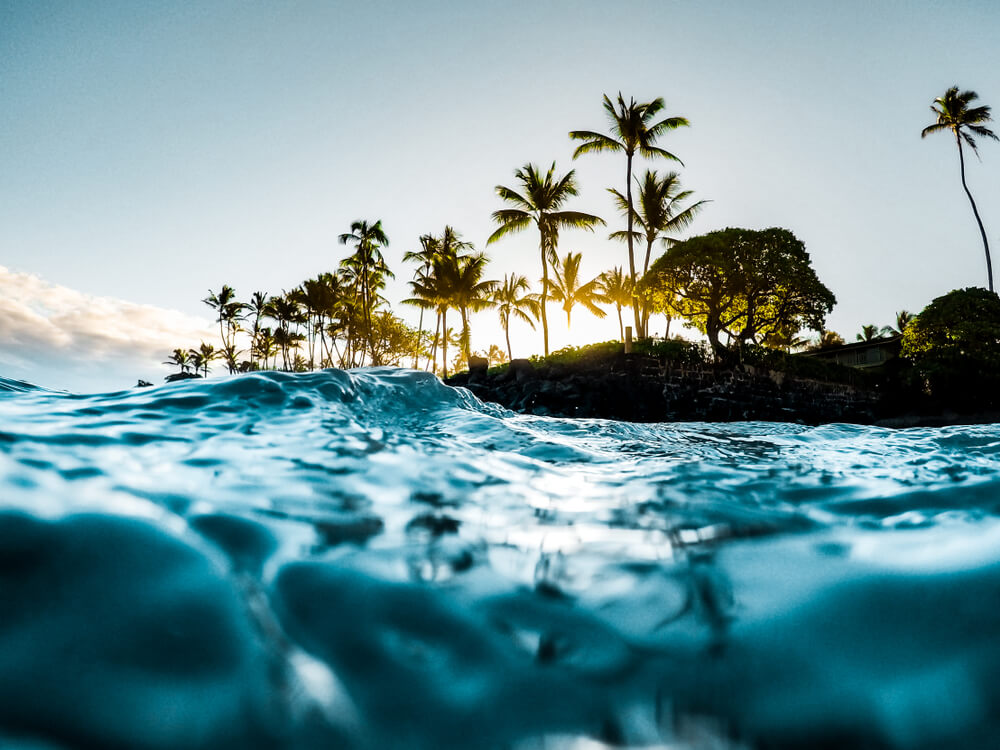
Fisheye's view of island beach with sun shining behind palm trees.

Hawai‘i Ocean Safety Tips

The beautiful beaches of Hawai‘i draw thousands of visitors to the islands each year. Some swimmers are experienced and understand ocean safety, but many are unaware of the dangers the ocean presents and the precautionary measures needed to stay safe. We want you to enjoy the natural beauty of our state and to stay safe!

Brought to you by The Queen’s Health Systems’s North Hawai‘i Community Hospital

When in Doubt, Don’t Go Out

Many beaches in Hawai‘i may look safe for a swimmer of average skill, but looks can be deceiving. Strong waves, aggressive shorebreak, rapidly changing currents, and sharp rocks can be life threatening. Observe posted signs about beach conditions, and if you are unsure of a beach’s safety, avoid getting in the water. For information on picking the safest beaches, visit hioceansafety.com. To find out about current ocean conditions, visit hawaiibeachsafety.com/.

Visit a Lifeguarded Beach

Always choose to swim and snorkel at a lifeguarded beach. Ocean and shorebreak conditions are regularly monitored, and certified lifeguards keep a watchful eye on beachgoers. Visit hioceansafety.com to identify lifeguarded beaches, read beach safety tips, and learn about shorebreak conditions and ocean currents at Hawai‘i’s beaches.

Brought to you by The Queen’s Health Systems’s North Hawai‘i Community Hospital

Brought to you by The Queen’s Health Systems’s North Hawai‘i Community Hospital

Never Turn Your Back on the Ocean

Because of Hawai‘i’s unique island environment, conditions can change quickly and strong waves can suddenly appear without notice. Never turn your back to the ocean while visiting with family and friends or taking selfies or other pictures. Always keep a watchful eye on the shoreline, including watching your footing and avoiding rocky terrain.

Snorkel With a Buddy

Never go it alone while snorkeling. Always snorkel with a buddy, and know where they are at all times

Brought to you by The Queen’s Health Systems’s North Hawai‘i Community Hospital

Snorkeling Safety Basics

Although snorkeling can be a fun activity while visiting Hawai‘i, it does carry risks. You should understand the risks and take safety precautions if you do decide to snorkel.

Snorkeling is the leading cause of tourist deaths in the state. In fact, more visitors to Hawai‘i die from snorkeling in a year than they do from car accidents, aircraft crashes, falls and homicides combined! Most of these deaths can be avoided by practicing snorkeling safety tips.

  • Snorkel in pairs.
  • Stay within arm’s reach of your snorkel buddy.
  • Snorkel at a lifeguarded beach.
  • Do not snorkel if you cannot swim.
  • Obey safety signs and warning flags.
  • Use well-maintained equipment that is easy to breathe through, does not leak, and can be removed easily.
  • Practice putting on, taking off, and breathing in your equipment before getting into the water.
  • If you have any signs of fatigue, dizziness, or shortness of breath, get out of the water immediately.
  • While in the water, breathe slowly and move calmly.

ROPE

A snorkel safety study reveals that ROPE is suspected of causing what is known as “mysterious” deaths of snorkelers, snorkelers who die quietly and without a struggle and many times close to shore.

ROPE stands for Rapid Onset Pulmonary Edema. Essentially ROPE means that when inhalation is impaired, such as when a snorkeler breathes through a narrow snorkeling tube, lung pressure is reduced. This is called negative transthoracic pressure (NTP), which results in the lungs becoming infused with edema (pulmonary edema) causing a loss of oxygen (hypoxia). This can happen very quickly, resulting in death. Researchers believe that “long-haul air travel under certain circumstances may be a significant predisposing factor to snorkel-induced ROPE, which could also help explain why so many snorkeling-related fatalities are predominantly tourists.”

For more snorkel safety information, visit hioceansafety.com/snorkeling-safety/